


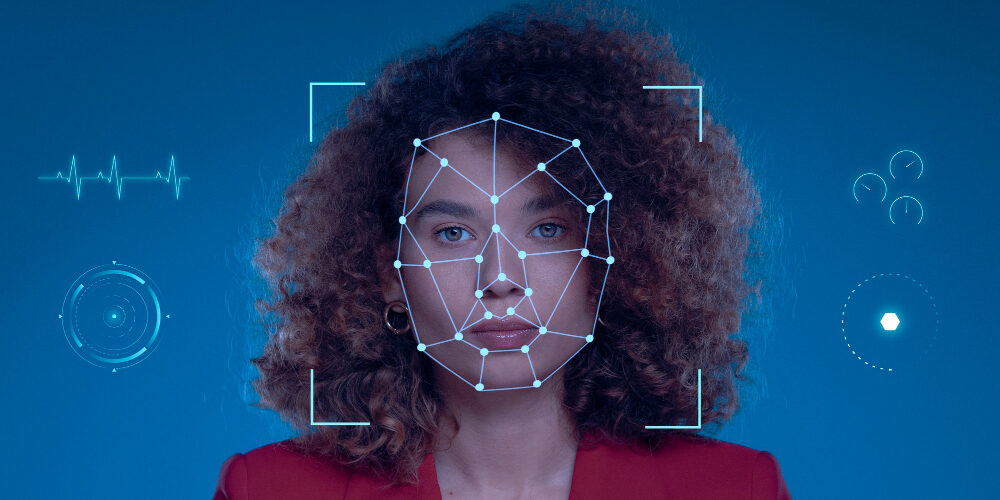
In today’s digital world, identity authentication is vital, especially in sectors such as fintech and banking. Among the key tools for ensuring security is proof-of-life, a technology that verifies that a person is alive at the time of authentication.
In this article, we explore what proof-of-life is, how it works, and why it’s crucial for preventing identity fraud.
What Is Proof-of-Life?
Proof-of-life is a biometric verification process designed to confirm that a person is alive at the time of a transaction or authentication.
Unlike other validations, such as facial recognition, proof of life guarantees that the images or data are of a living human and not a pre-recorded image or video. This is essential in contexts such as bank account opening or digital onboarding.
How Does Proof of Life Work?
There are two common types of proof of life:
- Active Proof of Life:The user must perform a specific action, such as moving their head or blinking, to prove they are alive.
- Passive Liveness Testing: The system automatically detects signs of liveness without requiring any user input, such as analyzing light reflections on the skin.
Both methods use artificial intelligence algorithms to verify the authenticity of the data.
Why Is It Crucial for Security?
Liveness testing is essential because it prevents the fraudulent use of pre-recorded images or videos in authentication processes. This is especially important in:
- Fraud Prevention: Prevents cybercriminals from using still images or recordings to impersonate someone.
- Financial Transaction Security: Protects sensitive transactions such as transfers or credit applications.
- Digital Onboarding:Ensures that the person registering for a service is who they say they are.
Proof of life is used in:
- Banking and Fintech: For account and transaction validation.
- Insurance: To verify the existence of beneficiaries.
- Governments: To prevent fraud in the delivery of pensions and other social benefits.
Proof of life is crucial to ensuring security in identity validation. By confirming that the person is alive and present at the time of verification, this technology becomes an essential barrier against identity fraud.
In an increasingly digital world, proof of life will continue to play a key role in protecting online transactions and services.
It will be essential to find a balance between convenience and security, ensuring that technology is not only advanced, but also inclusive and reliable for all users.