


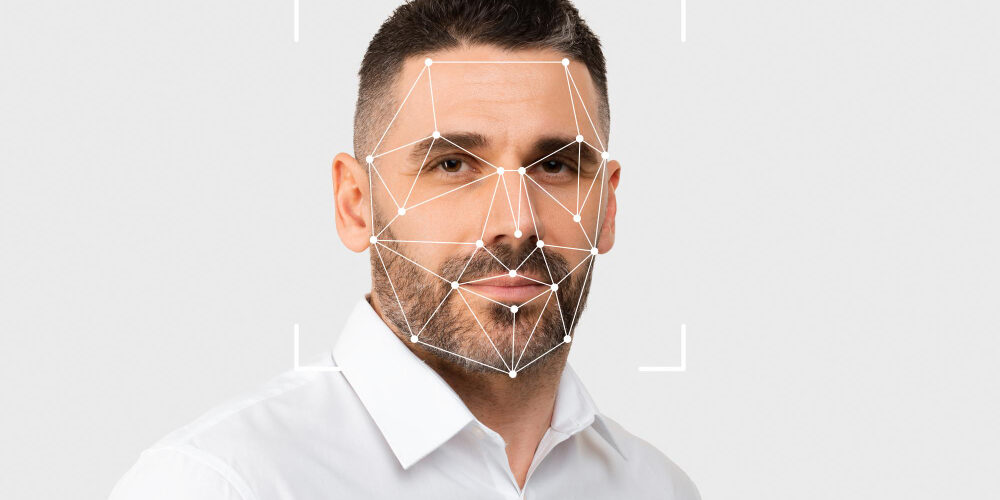
In the digital age, identity validation is critical for the security of users and businesses, helping to combat identity fraud, a problem that generated global losses exceeding $50 billion in 2022 (Juniper Research).
As online transactions increase, verifying user identity has become essential to protect information and prevent identity theft.
Key Benefits of Digital Identity Validation
Fraud Reduction: Technologies such as biometrics and AI allow for accurate identity authentication. In 2022, identity fraud affected more than 42 million people in the US, while in the EU, one in five users was a victim of some type of digital fraud.
Agile Onboarding: In the financial sector, identity validation improves digital onboarding. According to Deloitte, 38% of users abandon slow registrations, so real-time verification increases customer satisfaction.
Financial Inclusion: Digital validation facilitates access to financial services for millions of people without traditional documents. The World Bank estimates that 1.7 billion people lack banking access, many due to lack of identification.
Key Technologies in Identity Validation
Biometrics: The biometrics market, valued at $45 billion, includes technologies such as facial recognition and fingerprints, which facilitate secure authentication.
Artificial Intelligence: AI allows for real-time identity verification and fraud detection, reducing authentication times by up to 80%.
Blockchain: Blockchain enables decentralized digital identities, where users control their personal data. It is estimated to reach a value of $6 billion by 2030.
Key Challenges
Data Protection: With an average cost of $4.35 million per data breach (IBM, 2022), protecting biometric information is a priority.
Digital Divide: Only 63% of the world’s population has internet access (World Bank), limiting the inclusion of certain groups in digital services.
Cybersecurity: Phishing attacks affect more than 60% of businesses in Latin America, according to Kaspersky, requiring constant updating of digital defenses.
Digital identity validation is essential for security in the modern age, protecting users and increasing financial inclusion.
As technologies advance and regulations strengthen, digital validation will become even more accessible and reliable, creating a safe environment for all.